Rights and Biopiracy
"There are two departments within the Ministry of Culture that deal with matters relating to what is referred to at this meeting as ‘ancestral knowledge’, which the Ministry of Culture terms ‘traditional knowledge’."
Explanations provided by Andrés Muente Barbagelata, a lawyer representing the Peruvian Ministry of Culture.
The Role of the Peruvian Ministry of Culture
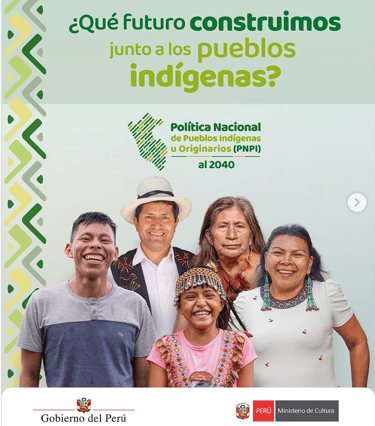
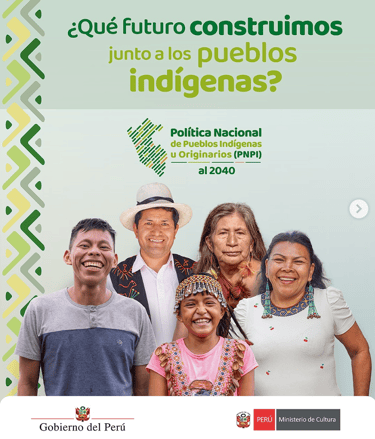
The Directorate of Indigenous Policies, to which Andrés Muente Barbagelata belongs, deals with issues relating to the protection and promotion of traditional knowledge from the perspective of the rights of indigenous peoples. There is also the Directorate of Intangible Heritage, which deals with aspects such as traditional cultural expressions, dances, crafts and recipes.
Definition of the term ‘Traditional Knowledge’
(ancestral knowledge, traditional practices, traditions, cultural expressions)
‘The body of knowledge, wisdom and practices of indigenous or native peoples, which are collective in nature, dynamic in nature, and linked to their cultural and spiritual values and customary norms passed down from generation to generation.’
Collective Nature: They belong to the entire community or ethno-cultural group, not to individual members.
Dynamic Nature: They are not static; they constantly evolve, change and adapt through interaction with the environment, history and the community’s changing needs.
Cultural and Spiritual Connections: They are intrinsically linked to their values, worldview, beliefs, customary norms and artistic expressions.
Intergenerational Transmission: They are inherited and taught from generation to generation, generally orally, through practice and experience.
Examples: Indigenous languages, artistic expressions (such as textiles, iconographic designs, ceramics, dances, rituals and paintings), dances, recipes, rites, agricultural technologies, knowledge of biodiversity, sustainable forest management, myths, stories, iconography, Ancestral Medicine
Further information:
https://www.actualidadambiental.pe/conocimiento-ancestral-pueblos-indigenas/
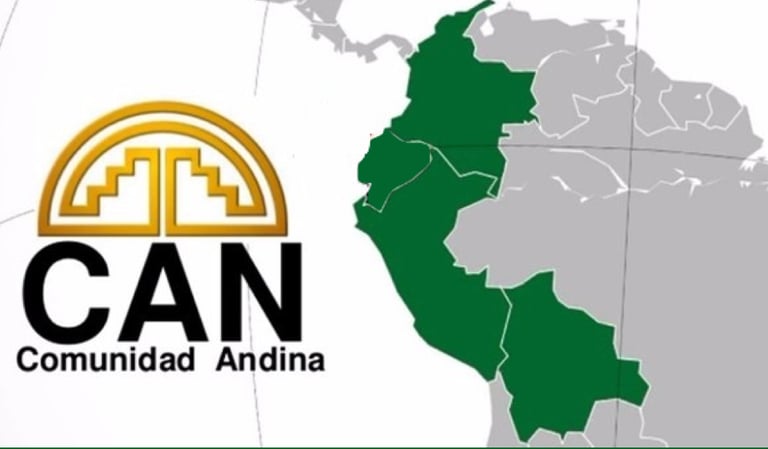
In his talk on the rights of Peru’s indigenous peoples, Andrés Muente Barbagelata, a lawyer representing the Peruvian Ministry of Culture, explained that the protection of traditional knowledge is based on three legal levels: at national level, at supranational level (such as the Andean Community) and at international level.
Convention on Biological Diversity (CBD)
The Convention on Biological Diversity is an international treaty of the United Nations (UN), adopted in 1992. The CBD is the international instrument for “the conservation of biological diversity, the sustainable use of its components and the fair and equitable sharing of the benefits arising from the use of genetic resources and protected areas”. The CBD has been ratified by 196 UN member states. Its overall objective is to promote measures leading to a sustainable future.
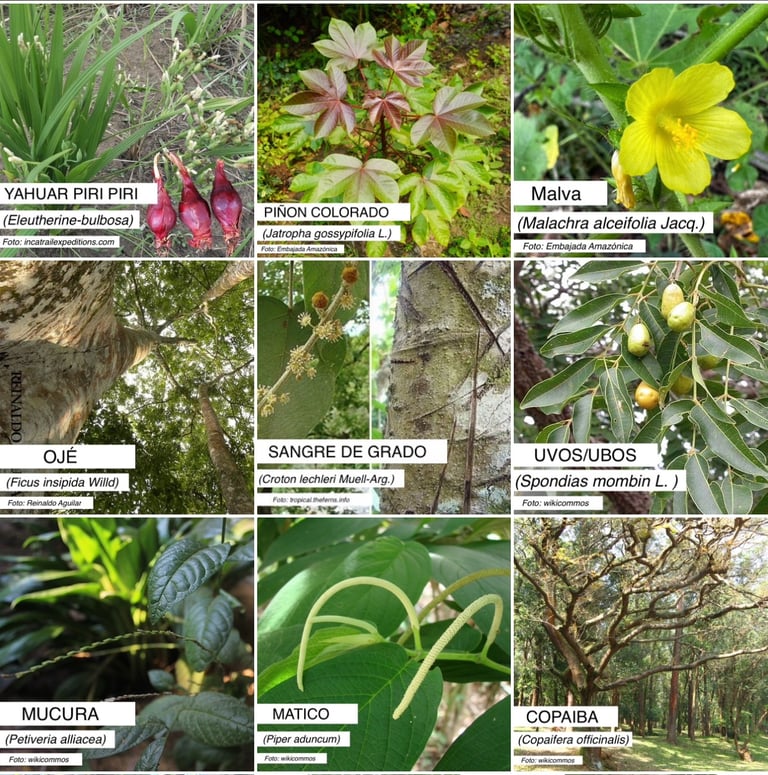
“What this agreement states is that indigenous peoples have rights over knowledge associated with the use of plants and all biological diversity.”
Examples: The use of medicinal plants, the use of plants for producing dyes or natural fibres, the sustainable management of the Amazon rainforest, etc.
The Nagoya Protocol
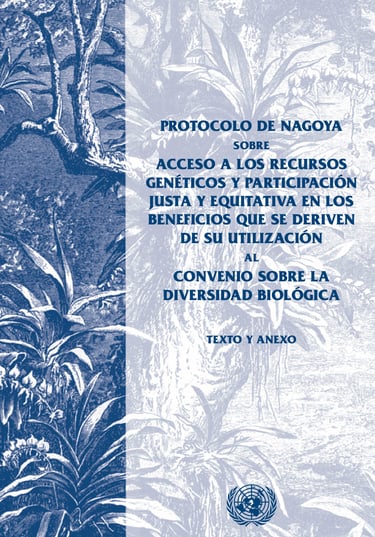
The Nagoya Protocol, which has been in force since October 2014, is a supplementary agreement to the Convention on Biological Diversity (CBD). One of its objectives is to protect the biocultural heritage of indigenous peoples (such as knowledge regarding the use of medicinal plants) and to prevent biopiracy.
Nagoya Protocol Original Text UN: https://www.cbd.int/abs/doc/protocol/nagoya-protocol-es.pdf
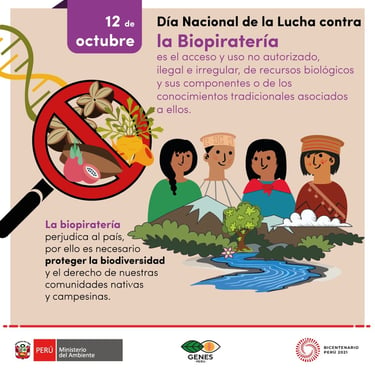
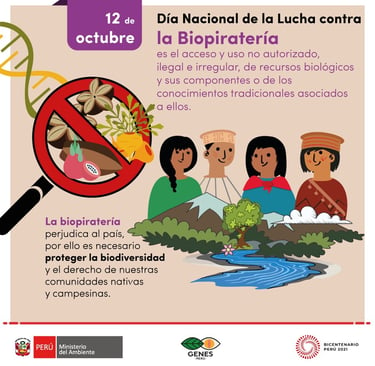
Term Biopiracy
Biopiracy refers to the illegal or unfair access to, use of, and appropriation of biological and genetic resources and the traditional knowledge of indigenous communities, through patents or other intellectual property rights, without authorisation or fair compensation. It constitutes a plundering of ancestral knowledge and natural resources, commonly perpetrated by pharmaceutical or biotechnology companies.
Further information on biopiracy in Peru in Spanish:
https://ojo-publico.com/2988/biopirateria-saqueo-silencioso-recursos-y-conocimientos
https://biopirateria.org/docs/store/Serie Iniciativa 1.pdf
‘In 1986, US citizen Lauren Miller obtained the ayahuasca plant from the chief of the Secoya people in the Ecuadorian Amazon. That same year, in California, he filed an application with the patent office for exclusive rights to Ayahuasca, which was granted, and he registered it as Banisteriosis Caapi, claiming that he had discovered a new plant with healing properties for mental illnesses, as well as antiseptic and antibacterial properties.
In response to this clear case of biopiracy, in 1996 the Coordination of Indigenous Organisations of the Amazon Basin (COICA) issued a global complaint, as an illegal act and a violation of rights was being committed by appropriating a sacred plant belonging to the collective wisdom of indigenous peoples, which has been used for centuries in traditional religious ceremonies and as a medicine for physical and spiritual cleansing.
Despite the international pressure generated by Miller, in March 1999, with legal representation from the International Centre for Environmental Law and the support of the Amazon Alliance, COICA, under the leadership of its general coordinator Antonio Jacanamijoy, filed a lawsuit in Washington seeking the revocation of the Ayahuasca patent.
After a hard-fought battle, in November 1999 the US Patent Office decided to revoke the patent on this sacred plant, marking a milestone in the struggle for global recognition of indigenous rights. However, effective recognition within intellectual property law has not yet been achieved for the collective knowledge of indigenous peoples, which has been accumulated over generations and forms part of our worldview, culture and territoriality.’
Original Texto: Revista “Somos COICA” 2022 (https://coicamazonia.org/revista-coica/)
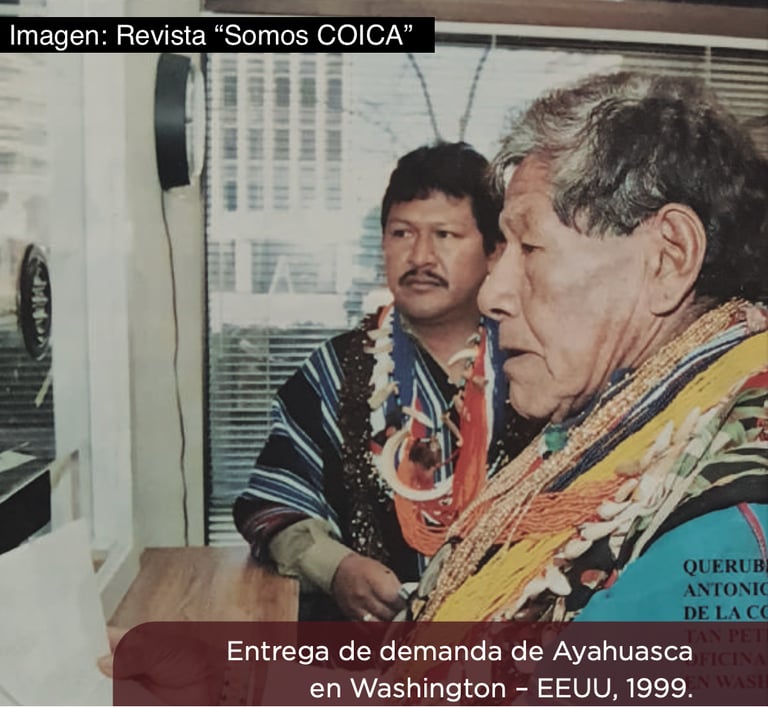
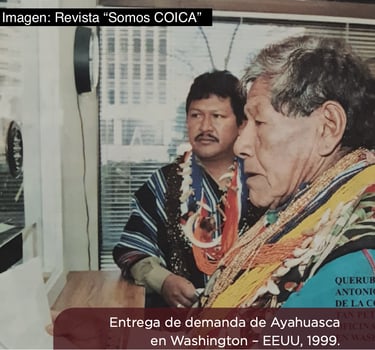
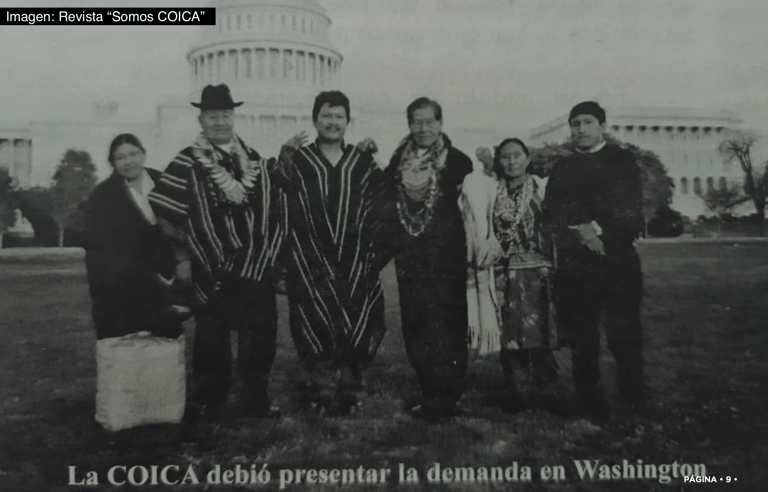
The Case of Ayahuasca Biopiracy
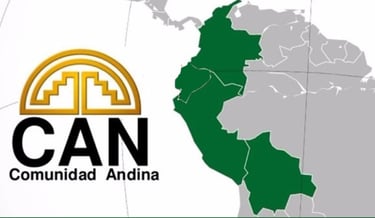
Agreements of the Andean Community
Decision 391: Common Regime on Access to Genetic Resources
Decision 486: Common System for Industrial Property
Dr Barbagelata explained that Decisions 391 and 486 of the Andean Community state that members of indigenous peoples living in Colombia, Ecuador, Peru and Bolivia have the right to refuse to allow a researcher to collect information on plants or other resources. This is because the researcher could use that information to develop a product without sharing the benefits or results with those who provided the knowledge.
“No one is going to be able to take knowledge from here and create a product without acknowledging the rights of indigenous peoples over this knowledge. First, they have to ask the communities for permission!”
Explanations provided by Andrés Muente Barbagelata, a lawyer representing the Peruvian Ministry of Culture.
Free, Prior and Informed Consent (FPIC)
Free, Prior and Informed Consent (FPIC) is an internationally recognised fundamental principle that guarantees the right of indigenous peoples and local communities to decide on activities affecting their lands, territories or resources. This mechanism aims to ensure that decision-making is respectful, transparent and free from pressure, allowing communities to accept or reject projects (such as mining, infrastructure or tourism) before they begin.
Key components of the FPIC:
Free: The decision is made without coercion, intimidation, manipulation or external pressure.
Prior: Consent must be sought and obtained before any activity is approved or commenced.
Informed: The community receives comprehensive, clear and objective information, in their local language, regarding the positive and negative impacts of the project.
Consent: This is the result of a consultation process conducted in good faith, which allows the community to decide collectively, respecting their own decision-making timelines and structures.

Peruvian National Law No. 27811 and the Role of INDECOPI
Andrés Muente Barbagelata explained that Peru has a law in force (since 2002) that protects the traditional knowledge of indigenous peoples relating to biological resources, such as medicinal plants. This law allows such knowledge to be registered through the National Institute for the Defence of Competition and the Protection of Intellectual Property (INDECOPI). However, the law does not cover other forms of knowledge, such as dances or the production of handicrafts.
Although there are more than 7,000 records, this is a small number compared to the total number of existing communities. The law also sought to encourage agreements between indigenous communities and companies or researchers to share economic benefits when this knowledge was used, but in practice no such contracts have been signed.
Furthermore, although the law provides for penalties against those who obtain information without permission in order to exploit it, no penalties have been imposed, despite the fact that such cases are known to have occurred. Overall, the report notes that, whilst the law has made it possible to register knowledge, it has not effectively fulfilled its main objectives of protecting and benefiting indigenous peoples.
“The aim of this law was to bring indigenous communities and researchers interested in developing products using traditional knowledge closer together. And to enable them to reach an agreement that benefits the communities whilst also providing incentives for people to develop products. Unfortunately, there is not a single record of a contract in which an indigenous community and a company or researcher have reached an agreement – that has not happened even once in 21 years.”
Explanations provided by Andrés Muente Barbagelata, a lawyer representing the Peruvian Ministry of Culture.

Intangible Cultural Heritage and the Criminal Code – The Case of Panama
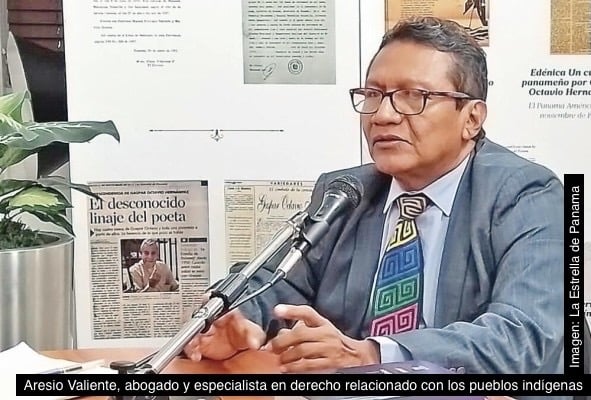
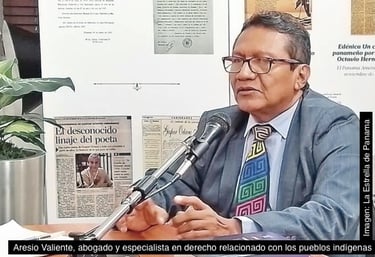
Andrés Muente Barbagelata described the notable case in Panama where an Indigenous lawyer, Aresio Valiente, championed the inclusion in the Criminal Code of prison sentences for those who use traditional Indigenous designs and knowledge without authorisation. This measure made Panama an exceptional case in the region, as other South American countries do not have similar laws.
Thanks to this legislation, several cases of misuse of traditional ‘Guna’ designs (Mola) were identified; these did not proceed to court because the parties involved chose to negotiate, given the risk of facing criminal penalties. This strengthened the position of the Guna indigenous communities, enabling them to protect and benefit from their knowledge.
In contrast, Barbagelata pointed out that in countries such as Peru there are no effective mechanisms to penalise this type of cultural appropriation. Although there are recognitions such as intangible cultural heritage, these do not provide clear procedures for legal protection. Therefore, there is a need to implement more robust legal frameworks and deterrent penalties to protect the rights of indigenous peoples over their traditional knowledge.

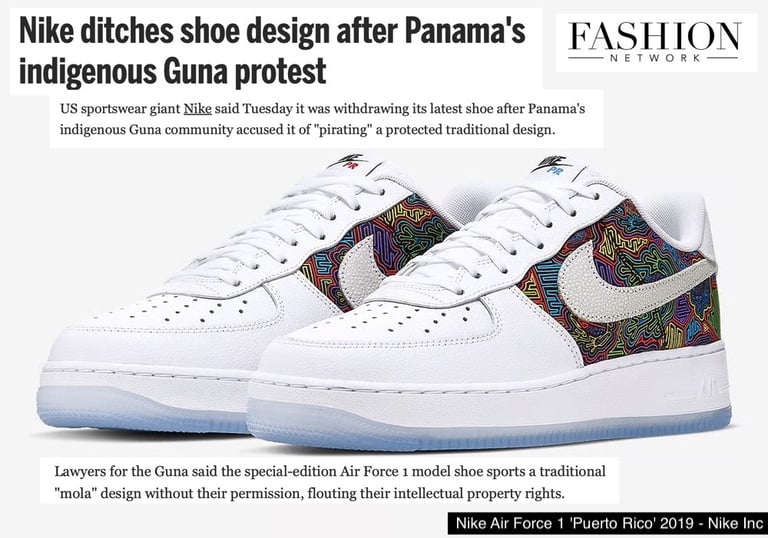
Nike withdraws a sneaker design following protests by the Guna indigenous people of Panama
'The US sportswear giant Nike announced that it was withdrawing its sneaker model after Panama’s Guna indigenous community accused it of ‘plagiarising’ a protected traditional design. Lawyers for the Guna claimed that the special edition Air Force 1 model features a traditional ‘mola’ design without their permission, which constitutes a violation of their intellectual property rights.'
Text: FashionNetwork (https://uk.fashionnetwork.com/news/Nike-ditches-shoe-design-after-panama-s-indigenous-guna-protest,1101607.html)
'US sportswear giant Nike is withdrawing a new version of its classic Air Force 1 shoe after objections from an indigenous group in Panama.
The limited edition model was described as a tribute to Puerto Rico but the Guna community of Panama said it used their traditional "mola" pattern. The group accused Nike of "pirating" a protected traditional design. Nike has apologised for the "inaccurate representation" of the shoe and said it would not be made available.
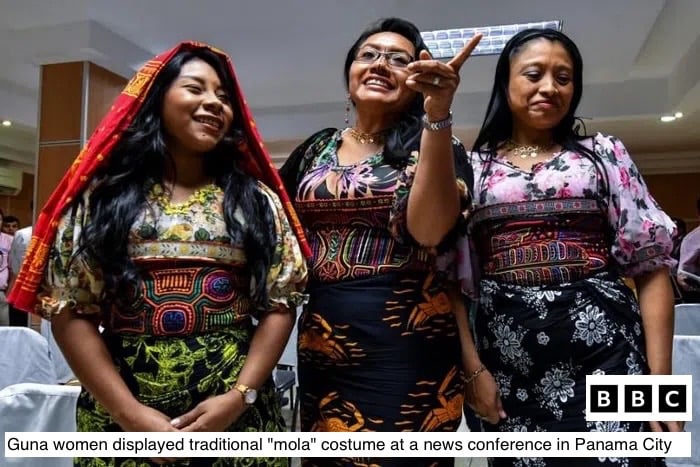
The Guna people, known as Kuna until 2011, live mainly in low-lying Caribbean islands that make up the Guna Yala autonomous region and are one of seven indigenous groups in Panama. Environmentalists say they are under threat from rising sea levels caused by global warming.
Their traditional mola patterns feature colourful, swirling designs and geometric or figurative drawings to represent the Guna people's world view.'
Text BBC: https://www.bbc.com/news/world-latin-america-48363024
Collective brands approved by INDECOPI
(National Institute for the Defence of Competition and the Protection of Intellectual Property)

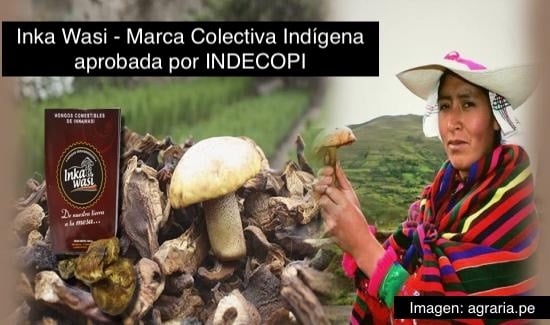
Dr Barbagelata also explained that intellectual property in Peru is being used as a tool to enhance the value of indigenous peoples’ traditional knowledge. Through INDECOPI, many communities have adopted the use of collective marks, which enable them to come together and sell their products under a single brand identity.
This has had positive effects: products, such as textiles or traditional foods, increase in market value whilst, at the same time, the traditional knowledge behind them is recognised and strengthened. Initiatives such as fairs and collective projects have demonstrated real economic benefits for communities.
Furthermore, some cases demonstrate a significant impact, such as communities that have lifted themselves out of poverty thanks to these collective marks, which even facilitate the export of products and their positioning in wider markets.
'The Regional Conference on Traditional Medicine and Indigenous Ancestral Knowledge' was organised by:
Regional Health Directorate (DIRESA)
Peruvian Ministry of Culture
Ucayalí Regional Government
Regional Directorate for the Development of Indigenous Peoples of Ucayalí
Amazonian Indigenous Embassy